
104 matches. 39 days. One very busy restaurant.
01 / CASE STUDY
Chicago Fire FC × Recess | 2026 FIFA World Cup
Experiential Marketing · Brand Partnerships · Digital Strategy · Marketing Operations
The Challenge
Chicago wasn't hosting a World Cup match, but we had an opportunity to give the city a place to experience the tournament together.
The challenge wasn't simply getting people excited about soccer. It was building and maintaining a marketing operation around 104 matches, each with different kickoff times, demand patterns, reservation availability, and promotional opportunities.
The calendar was constantly moving. Partners had their own priorities. Guests needed reliable information. And the restaurant still needed to operate as a restaurant.
The experience had to feel like a celebration, not a logistical exercise.
My Role
I led marketing execution on the Recess and Atomic Hospitality side, working alongside Chicago Fire FC, agency partners, sponsors, and the venue's operations team.
My responsibilities included digital strategy, the event website, reservation infrastructure, campaign execution, content development, influencer coordination, public relations support, and ongoing communications.
I personally built and managed the public-facing Soccer Celebration website, including the tournament schedule and match-specific ticketing and reservation links. I maintained that experience throughout the tournament, coordinated updates with Chicago Fire FC, and spent much of the summer on-site helping bring the event to life.
Making 104 matches manageable
I approached the project as both a marketing campaign and an operating system.
One place for information. The website gave guests a central destination for schedules, experiences, reservations, and event details, reducing the complexity of a tournament that ran for more than five weeks.
A clear path to booking. Match-specific ticket and OpenTable reservation links helped turn interest into action and made it easier for guests to plan around the games they wanted to see.
Connected marketing and programming. Digital campaigns, social content, influencer partnerships, media outreach, and guest communications supported the broader event calendar, including appearances, entertainment, and sponsor activations.
The ability to adjust. We needed to respond to match demand, availability, partner requests, and operational changes without making the guest experience confusing.
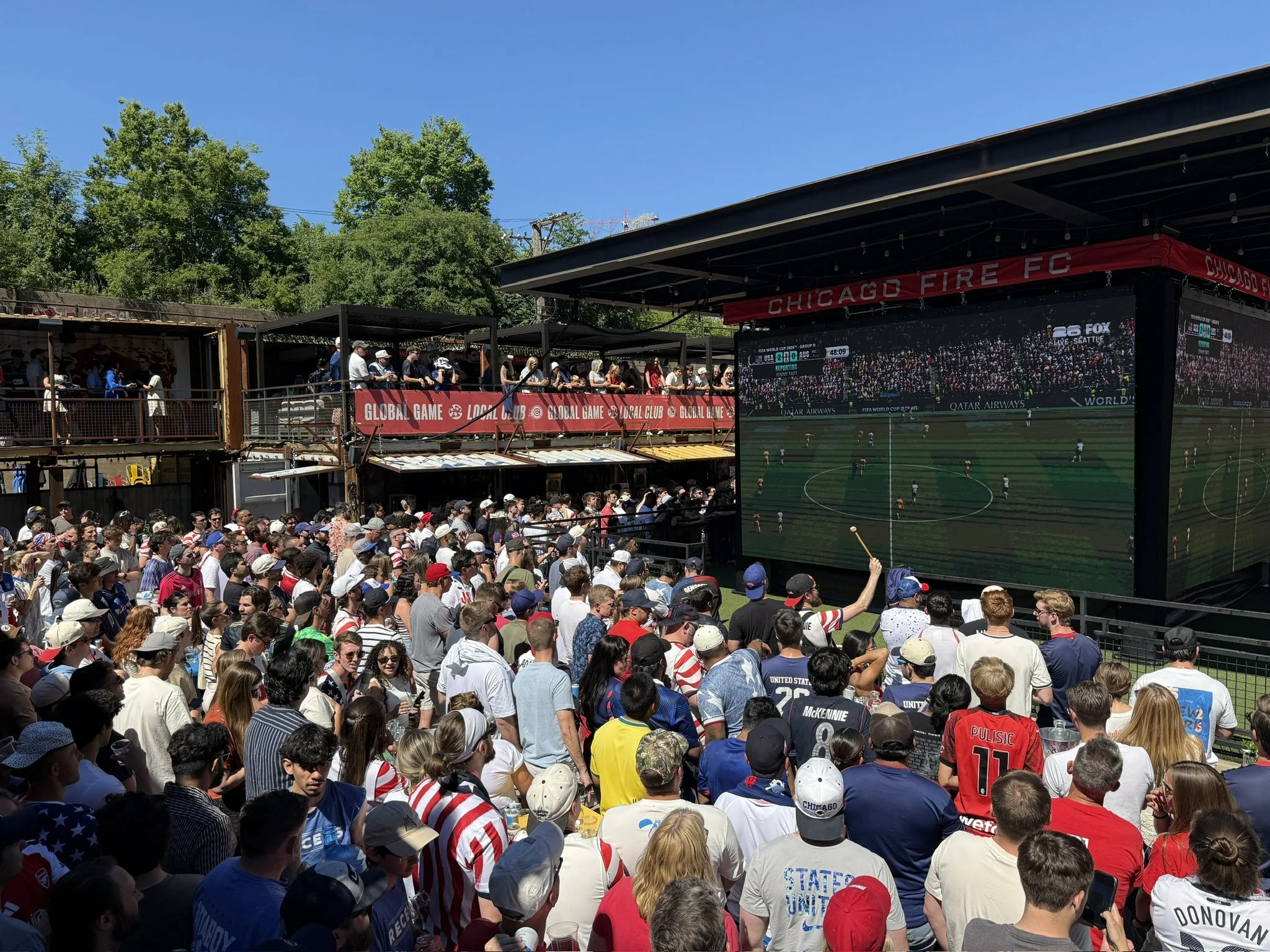
A lot of the work wasn't glamorous. It was making sure the right information was in the right place at the right time, 104 times.
The Results
For an activation of this scale, success couldn't be measured by a single metric.
We looked at several indicators, including digital engagement, reservation demand, media exposure, partner activation, and the ability to maintain a consistent guest experience throughout the tournament.
The event attracted local media attention and brought together major brand partners around a shared experience.
From a marketing perspective, the dedicated website and booking infrastructure gave guests a clear path from discovering the event to planning their visit. The campaign also provided a coordinated platform for promoting matches, special programming, and partner activations over 39 days.
Specific revenue and commercial performance figures are confidential, but the project demonstrated how a hospitality business can use a major cultural event to create a sustained marketing and guest engagement opportunity.
What I took from it
This project brought together nearly every part of marketing I enjoy: creative ideas, partnerships, digital platforms, guest experience, and the operational details that determine whether something actually works.
The big screen and crowds made for great photographs. The infrastructure behind them is what made the experience possible.
The takeaway:
A great activation needs more than a big idea. It needs the systems, people, and attention to detail to deliver that idea every day.